
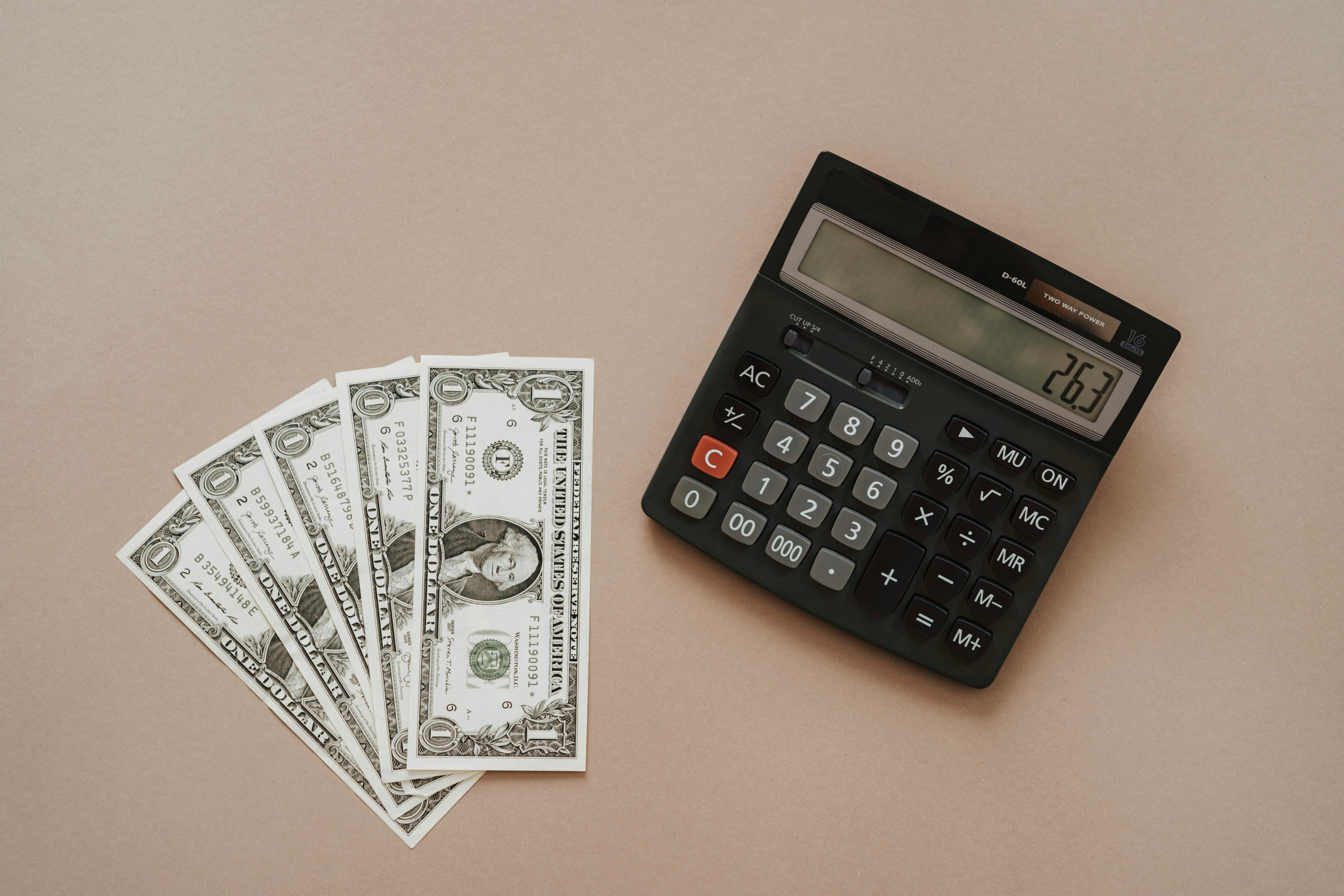
Recurring charges accumulate faster than most people expect, and they do it without any single decision that feels wrong. The mechanism is structural rather than a failure of attention.
Each charge is priced below the threshold of review
Subscriptions are typically set at a level that reads as trivial in isolation. A charge that is smaller than a lunch does not prompt anyone to open a spreadsheet.
Budget review is usually triggered by size. People examine the large line items and skim the rest, so the small recurring charge is filtered out at the point where filtering happens.
The aggregate is not small, but the aggregate is never displayed anywhere. Statements list charges chronologically, which is exactly the ordering that hides the pattern.
The decision is made once and then never revisited
A one-off purchase requires a decision at the moment of payment. A subscription moves the decision to signup and removes it from every month afterwards.
Cancelling therefore requires initiating an action, while continuing requires nothing. The default direction of the arrangement is continuation, and defaults win most of the time.
This also means the value judgement is stale. A service signed up for during a specific project keeps billing long after that project has finished.
Billing dates scatter the charges across the month
Subscriptions bill on the anniversary of signup rather than on a common date. A dozen services therefore produce a dozen separate billing days.
Scattered charges never form a visible block in a statement. Nothing on any single day looks unusual, so no day triggers an investigation.
If the same charges arrived together on the first of the month, the total would be obvious and most people would act on it immediately.
Free trials convert without a fresh consent step
A trial establishes the payment relationship at the start, when the price is zero. The conversion to paid happens automatically at the end of the window.
The user consented to a free trial and receives a paid subscription, and both are technically the same transaction. No second confirmation appears.
Trials are also usually longer than the period over which someone remembers signing up, which is why the first paid charge frequently reads as unfamiliar.
Auditing works because it inverts the sort order
The practical fix is to list recurring charges by service rather than by date, which makes the annual cost of each one visible for the first time.
Multiplying a monthly figure by twelve changes how it reads. A charge that felt trivial monthly often looks like a real purchase decision annually.
Card issuers and banking apps increasingly surface recurring merchants as a group for this reason, since the grouping alone does most of the work.