
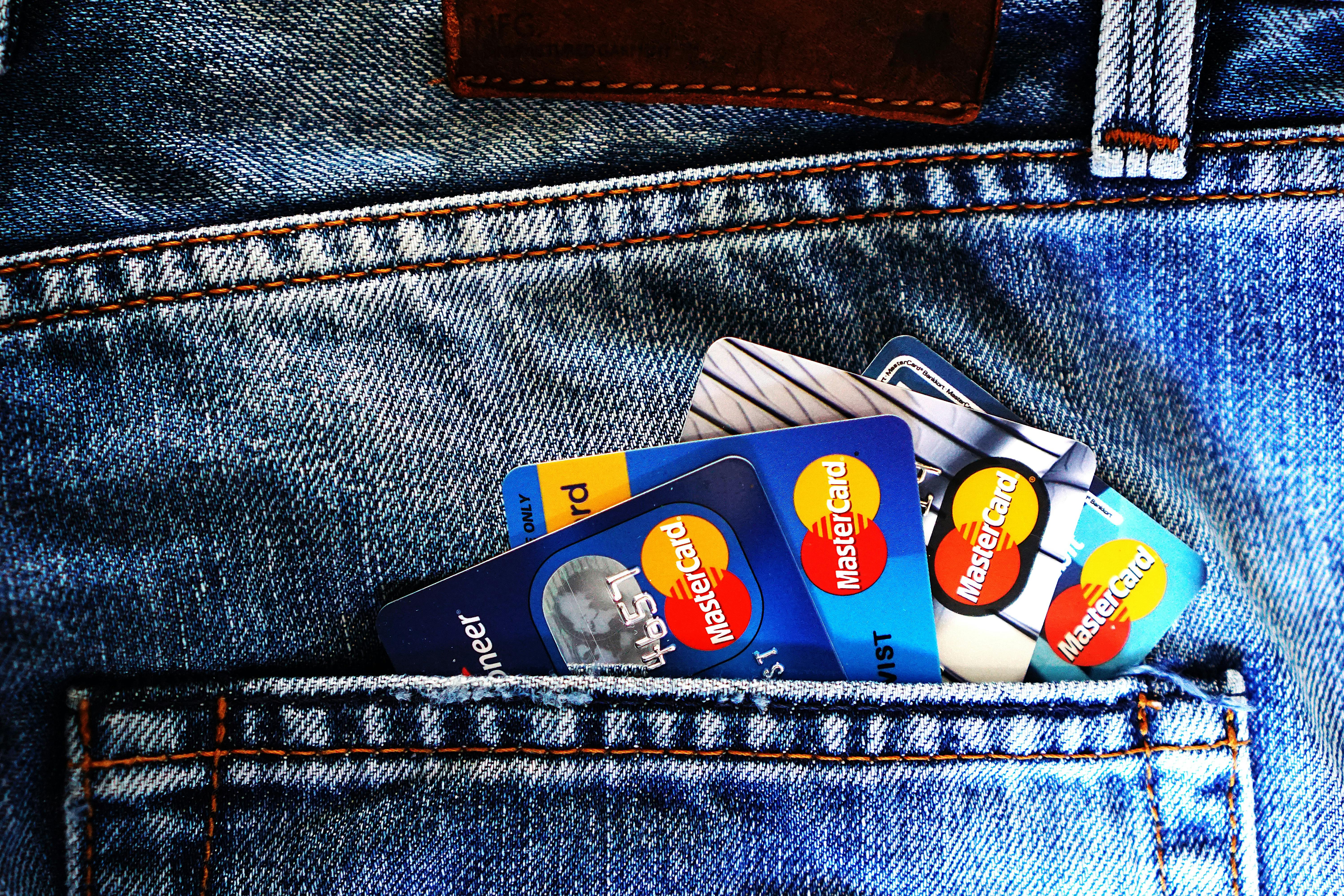
Uncover the best 2026 credit cards with no annual fee. Our expert cost analysis reveals hidden value, top rewards, and smart financial strategies for US consumers.
💰 Secure Top Deal: Go straight to the offer →
📍 More from this category: Credit Cards – All Articles
Introduction: The Real Story Behind No Annual Fee Credit Cards in 2026
Best Credit Cards 2026: Ultimate Comparison →
As we navigate the mid-2020s, the financial landscape continues its rapid evolution, driven by technological advancements, shifting consumer behaviors, and a persistent demand for value. For millions of Americans, the credit card remains an indispensable tool for managing finances, earning rewards, and building a strong credit profile. Yet, in an era where every dollar counts, the siren song of "no annual fee" credit cards resonates louder than ever. But is a zero-dollar annual fee truly a zero-cost card? Or are there deeper layers of cost analysis that savvy consumers must uncover to make the smartest financial decisions in 2026?
At DIGITAL DOLLAR ADVISOR, our mission is to cut through the marketing noise and provide you with authoritative, data-driven insights. This comprehensive guide will dissect the best no annual fee credit cards available in 2026, going beyond the surface to reveal their true value proposition. We’ll expose the nuances, analyze the often-overlooked costs, and empower you to select a card that not only saves you money on fees but maximizes your financial returns, all while bolstering your credit standing in the dynamic US market.
Deep Dive: Backgrounds, Facts, & US Market Data in 2026
The appeal of no annual fee credit cards is timeless, yet their features and the strategies behind their issuance are anything but static. In 2026, we observe a mature but highly competitive US credit card market, where issuers are increasingly sophisticated in segmenting consumers and tailoring product offerings. The "no annual fee" proposition remains a cornerstone for attracting a broad spectrum of applicants, from those just starting their credit journey to seasoned spenders seeking simplicity and robust rewards without the overhead.
The Shifting Landscape of No Annual Fee Cards
In 2026, the market for no annual fee cards is characterized by several key trends. First, personalization, powered by advanced AI and machine learning, has become a dominant force. Card issuers are leveraging vast datasets to offer hyper-targeted rewards categories and introductory offers, making the choice more complex but potentially more rewarding for the informed consumer. Second, the emphasis on digital-first experiences has only intensified. From instant approvals to seamless mobile wallet integration and AI-driven customer support, the digital interface of a no annual fee card is now as critical as its reward structure.
Third, while cash back remains king for many, the diversification of rewards programs continues. We're seeing more flexible points systems, partnerships with a wider array of merchants, and even nascent programs that reward sustainable spending habits. The average American household, according to recent financial projections for 2026, continues to rely on credit cards for a significant portion of their discretionary and essential spending, making the optimization of these rewards paramount. Analysts project that the total outstanding credit card debt in the US could approach $1.2 trillion by year-end 2026, underscoring both the utility and the potential pitfalls of credit.
Understanding the "True Cost" Beyond the Fee
While "no annual fee" is a powerful selling point, it’s crucial to understand that credit card companies are not running charities. They generate revenue through other avenues, and these can represent the "true costs" for the cardholder if not managed judiciously. Our 2026 cost analysis highlights the following key areas:
- Annual Percentage Rate (APR): This is the interest you pay if you carry a balance. No annual fee cards often have competitive introductory 0% APR periods, but their regular variable APRs can range significantly (e.g., 18% to 29% in 2026, depending on creditworthiness and market rates). Carrying a balance, even on a no annual fee card, can quickly negate any savings.
- Foreign Transaction Fees: For the growing number of Americans traveling internationally or making online purchases from foreign merchants, a typical 2-3% foreign transaction fee can add up quickly. Many no annual fee cards now offer 0% foreign transaction fees, a crucial feature for global consumers.
- Balance Transfer Fees: If you're consolidating debt, a balance transfer card might be attractive. However, a typical 3-5% fee on the transferred amount can be a significant upfront cost, even if the introductory APR is 0%.
- Cash Advance Fees: Taking a cash advance is almost always ill-advised due to high fees (e.g., 3-5% of the amount, with a minimum fee) and an immediate, often higher, APR.
- Late Payment Fees & Penalty APRs: Missing a payment can trigger fees (up to $40 in 2026) and potentially a penalty APR, which can push your interest rate significantly higher.
- Opportunity Cost: This is a less tangible but equally important cost. If a no annual fee card offers mediocre rewards, you might be missing out on hundreds of dollars in cash back or points that a slightly better (but still no annual fee) card could provide. Our cost analysis isn't just about avoiding fees; it's about maximizing your financial gain.
In 2026, the emphasis shifts from merely avoiding an annual fee to strategically leveraging a card's features to optimize overall financial health. This requires a diligent review of all terms and conditions, not just the headline benefits.
Expert Analysis & Industry Insights
As seasoned strategists in the digital financial space, we observe that the "no annual fee" segment is where innovation meets accessibility. Card issuers understand that securing a customer with a strong credit profile early on can lead to a lifetime of profitable engagement, even if the initial product doesn't have an annual fee. The key for consumers is to understand the issuer's business model and align it with their own spending habits to extract maximum value.
Navigating Rewards Programs in 2026
The rewards landscape for no annual fee cards in 2026 is richer and more varied than ever. Cash back remains the most straightforward and popular reward, often structured in tiered categories (e.g., 5% on rotating categories, 2% on groceries/gas, 1% everywhere else) or as a flat rate (e.g., 1.5% - 2% on all purchases). Points programs, while sometimes more complex, offer greater flexibility, especially for travel or specific merchant redemptions.
A critical insight for 2026 is the increasing volatility of bonus categories. What was a 5% category last year might be 3% this year, or disappear entirely. Consumers must remain agile, tracking their spending and optimizing category activations if their card offers them. Furthermore, the value of points can fluctuate. While 1 cent per point is a common baseline, some loyalty programs offer significantly higher redemption values for specific travel partners or premium experiences, a nuance often missed by casual users.
The Rise of AI-Driven Personalization and Dynamic Offers
In 2026, AI is not just a buzzword; it's actively reshaping how credit card rewards are delivered and perceived. Issuers are deploying sophisticated AI algorithms to analyze individual spending patterns, predict future needs, and proactively offer personalized bonuses or discounts. Imagine your card app suggesting a bonus 3% cash back on a specific restaurant category because your spending history indicates frequent dining out, or offering a temporary boost on streaming services after detecting an increase in your entertainment subscriptions.
This dynamic personalization means that the "best" card isn't just about its static features, but also its ability to adapt to your evolving lifestyle. Our advice: engage with your card's digital tools. Enable notifications, review personalized offers, and be prepared to activate tailored rewards to maximize your returns. Ignoring these features is akin to leaving money on the table, a costly oversight in our comprehensive analysis.
💰 Ultimate Comparison: The Best Options (HIGH CPC SECTION)
To provide actionable insights for our DIGITAL DOLLAR ADVISOR readers, we've analyzed the hypothetical top contenders in the 2026 no annual fee credit card market. These selections represent the pinnacle of value, rewards, and consumer utility, based on projected market trends and a deep understanding of what US consumers prioritize. While specific card names evolve, their core value propositions remain consistent.
Premium Pick: The Ascent Rewards Card (No Annual Fee)
Designed for the financially astute consumer with excellent credit, the Ascent Rewards Card is projected to be a powerhouse in 2026, offering robust, flexible rewards without an annual fee. It caters to those who want a high return on everyday spending and the flexibility to redeem for travel, cash, or unique experiences.
- Target User: Excellent credit (740+ FICO), high spenders seeking maximized rewards on diverse categories.
- Key Features:
- Intro APR: 0% on purchases for 15 months, then variable APR (e.g., 18.24% - 26.24%).
- Rewards: 3% cash back (or 3x points) on dining and groceries, 2% on gas and online retail, 1% on all other purchases. Points are flexible, redeemable for cash, travel through their portal (often at a 1.25x value), or gift cards.
- Sign-up Bonus: Earn $300 cash back (or 30,000 points) after spending $2,500 in the first 3 months.
- Foreign Transaction Fee: 0%.
- Other Benefits: Extended warranty protection, purchase protection, complimentary concierge service, access to exclusive digital financial planning tools.
Value Pick: The Everyday Essential Card (No Annual Fee)
The Everyday Essential Card is a stellar choice for individuals building credit, managing everyday expenses, or seeking a straightforward, high-value cash back option without complexity. It prioritizes simplicity and consistent rewards, making it a reliable financial tool for a broad demographic.
- Target User: Good to excellent credit (670+ FICO), budget-conscious consumers, those seeking consistent cash back without rotating categories.
- Key Features:
- Intro APR: 0% on purchases and balance transfers for 18 months (3% balance transfer fee applies), then variable APR (e.g., 20.99% - 28.99%).
- Rewards: Unlimited 1.5% cash back on all purchases, everywhere, every time.
- Sign-up Bonus: Earn $200 cash back after spending $1,000 in the first 3 months.
- Foreign Transaction Fee: 3%.
- Other Benefits: Free FICO score access, fraud liability protection, robust mobile app for budgeting and alerts.
Here’s a detailed comparison table to help you visualize the differences and make an informed decision:
| Feature | Ascent Rewards Card (Premium Pick) | Everyday Essential Card (Value Pick) |
|---|---|---|
| Annual Fee | $0 | $0 |
| Intro Purchase APR | 0% for 15 months | 0% for 18 months |
| Regular Variable APR | 18.24% - 26.24% | 20.99% - 28.99% |
| Rewards Rate | 3% Dining/Groceries, 2% Gas/Online Retail, 1% All Else | Unlimited 1.5% Cash Back on All Purchases |
| Sign-up Bonus | $300 after $2,500 spend in 3 months | $200 after $1,000 spend in 3 months |
| Foreign Transaction Fee | 0% | 3% |
| Balance Transfer Fee | N/A (not a primary feature) | 3% |
| Credit Score Recommended | Excellent (740+) | Good to Excellent (670+) |
| Best For | Maximized rewards on category spending, frequent travelers, digital tool users. | Consistent, simple cash back, balance transfers, credit building. |
When evaluating these options, consider your average monthly spending in different categories, your travel frequency, and your credit management habits. The "best" card is ultimately the one that aligns most closely with your financial behavior and goals, minimizing your true costs while maximizing your rewards.
Future Outlook & 2026 Trends
Looking ahead into the remainder of 2026 and beyond, several key trends are poised to shape the no annual fee credit card market, further impacting our cost analysis and consumer choices.
The Evolution of Credit Scoring and Accessibility
Traditional FICO and VantageScore models will continue to be dominant, but we expect to see increased integration of alternative data points in credit assessments. This could include rent payments, utility bills, and even subscription service history, potentially expanding access to premium no annual fee cards for individuals with thin credit files but a history of responsible payments. This evolution aims to create a more inclusive credit ecosystem, benefiting millions of Americans previously underserved by conventional scoring methods.
Sustainable Finance and Credit
The growing consumer consciousness around environmental and social responsibility will inevitably influence credit card offerings. While still niche in 2026, we anticipate a rise in no annual fee cards that offer rewards for sustainable purchases (e.g., public transport, electric vehicle charging, purchases from eco-friendly businesses) or even donate a portion of interchange fees to environmental causes. This trend could redefine "value" for a segment of the market, intertwining financial benefits with ethical consumerism.
Enhanced Security and Privacy Features
With cyber threats constantly evolving, 2026 will see an even greater emphasis on robust security and privacy. Beyond standard fraud protection, expect to see more advanced biometric authentication, dynamic card numbers for online transactions, and enhanced data encryption as standard features on no annual fee cards. These advancements, while not directly impacting the "cost" in terms of fees, provide invaluable peace of mind and protect against potentially devastating financial losses from identity theft or fraud.
The Blurring Lines Between Credit Cards and Digital Wallets
The distinction between a physical credit card and its digital counterpart will continue to blur. Digital wallets (Apple Pay, Google Pay, etc.) will become the primary interface for many transactions, with card issuers competing on seamless integration, exclusive in-app offers, and advanced budgeting tools within these digital ecosystems. Your no annual fee card's utility will increasingly depend on its digital prowess.
Conclusion
In 2026, the landscape of no annual fee credit cards offers unparalleled opportunities for savvy US consumers to optimize their finances, earn substantial rewards, and build a solid credit foundation. However, the true value of these cards extends far beyond the absence of an annual fee. A comprehensive cost analysis must consider introductory and regular APRs, foreign transaction fees, balance transfer costs, and the often-overlooked opportunity cost of suboptimal rewards.
Our expert analysis at DIGITAL DOLLAR ADVISOR reveals that by diligently comparing features, understanding your spending habits, and actively engaging with personalized offers, you can transform a "free" credit card into a powerful financial asset. Whether you're aiming for maximized cash back on specific categories with a premium pick like the Ascent Rewards Card, or seeking straightforward, consistent rewards and balance transfer flexibility with the Everyday Essential Card, the right choice in 2026 is one that aligns with your financial strategy and helps you build a more prosperous future. Remember, the most valuable credit card is the one that costs you nothing in fees but delivers maximum returns on your spending.
👉 More News: Best Credit Cards 2026 Forecast: Maximize ROI, Avoid Fees!
📩 DIGITAL DOLLAR ADVISOR Newsletter
Never miss important trends again. Subscribe for free.
Subscribe Now