
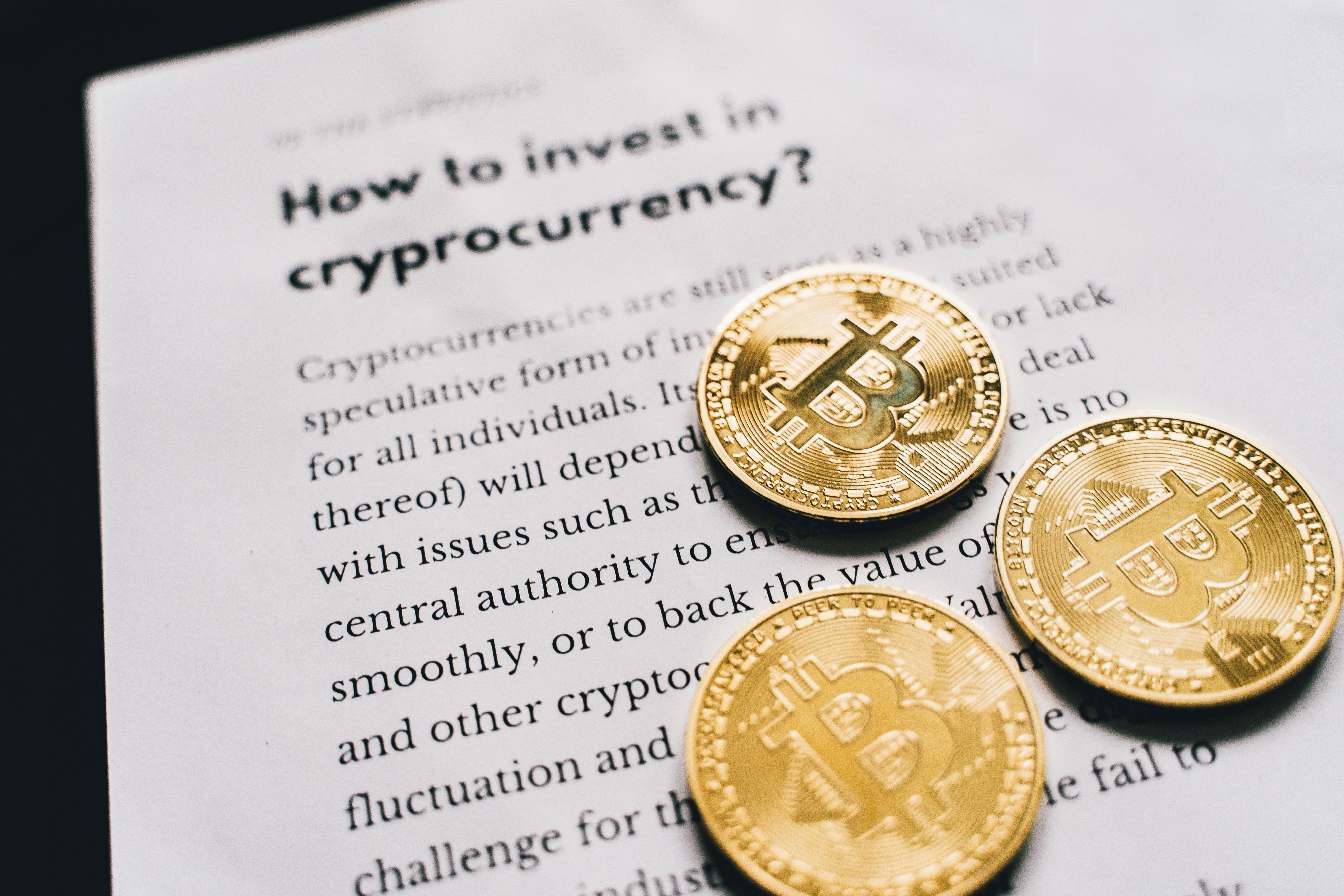
Discover how Real-World Asset (RWA) Tokenization is revolutionizing investment in 2026, offering unprecedented access to fractional ownership, enhanced liquidity, and robust yields across real estate, private equity, debt, and commodities. Learn which leading platforms are shaping this trillion-dollar market and how to optimize your digital wealth strategy.
Introduction to the Topic
Welcome to 2026, where the digital frontier of finance continues its relentless expansion. If you're looking to maximize your investment returns and diversify your portfolio beyond traditional stocks and volatile cryptocurrencies, then Real-World Asset (RWA) Tokenization is the undisputed champion of the decade. This isn't just a buzzword; it's a paradigm shift, transforming illiquid, tangible assets into highly divisible, tradeable digital tokens on the blockchain. Imagine owning a fractional share of a luxury Manhattan skyscraper, a high-performing private equity fund, or even a portfolio of global trade invoices, all accessible with the click of a button and managed with blockchain's inherent transparency and security.
The promise of RWA tokenization has matured significantly by 2026, moving from nascent experiments to a cornerstone of institutional and savvy retail investment strategies. This groundbreaking technology is democratizing access to asset classes previously reserved for the ultra-wealthy, offering enhanced liquidity, lower transaction costs, and unparalleled transparency. For digitaldollaradvisor.com readers, understanding and leveraging RWA tokenization isn't just an option; it's a critical component of building a resilient and high-yield financial future. This comprehensive guide will navigate you through the landscape, highlighting the immense opportunities and pinpointing the best platforms to begin or expand your RWA investment journey.
Backgrounds & Facts
The concept of tokenizing real-world assets has been a long-held vision within the blockchain community, but it's in 2026 that this vision has truly crystallized into a formidable market force. Early attempts faced regulatory hurdles, technological limitations, and a lack of institutional trust. However, years of development in secure smart contracts, robust oracle networks, and the gradual emergence of clearer regulatory frameworks have paved the way for mainstream adoption. By 2026, the global market for tokenized assets is projected to exceed several trillion dollars, encompassing everything from commercial real estate and fine art to carbon credits, intellectual property, and even entire infrastructure projects.
Key drivers behind this explosive growth include the persistent demand for yield in a fluctuating global economy, the desire for portfolio diversification uncorrelated with traditional markets, and the inherent inefficiencies of legacy financial systems. Blockchain technology, with its immutable ledger and programmatic capabilities, offers solutions to these problems by enabling fractional ownership, reducing intermediaries, and accelerating settlement times. For instance, a multi-million dollar commercial property that once required weeks or months to transfer ownership can now be represented by security tokens, allowing for near-instantaneous, verifiable transactions. The integration of advanced AI for asset valuation and risk assessment further bolsters investor confidence, providing real-time data and predictive analytics previously unavailable.
While the benefits are clear, the industry has also addressed critical challenges. Interoperability between different blockchain networks has improved dramatically, allowing for seamless transfer and management of tokenized assets across various ecosystems. Furthermore, the legal and compliance frameworks have evolved, with numerous jurisdictions establishing clearer guidelines for security token offerings (STOs) and the legal enforceability of digital ownership. This maturation provides a solid foundation for investors, ensuring that their digital assets are not only technologically sound but also legally recognized and protected.
Expert Opinion / Analysis
Leading financial analysts and blockchain pioneers universally agree: RWA tokenization is not just a trend; it's the inevitable evolution of finance. Dr. Evelyn Reed, a renowned economist and co-founder of 'Quantum Capital Labs,' recently stated, "By 2026, the distinction between 'traditional' and 'digital' assets is increasingly blurred. RWAs on the blockchain offer a liquidity premium that traditional markets simply cannot match, unlocking immense dormant capital. We're seeing institutional giants like BlackRock and Fidelity not just experimenting but actively deploying significant capital into tokenized debt and real estate portfolios, validating the long-term viability and security of this asset class."
The consensus among experts is that the market will continue to segment, with specialized platforms emerging for different asset classes and investor profiles. The yield opportunities are particularly attractive, often surpassing those available in conventional fixed-income markets, primarily due to the efficiencies gained through blockchain and the direct access to underlying assets. However, experts also caution that due diligence remains paramount. "Not all tokenization projects are created equal," advises Marcus Thorne, a crypto legal expert. "Investors must scrutinize the legal structure of the token, the quality of the underlying asset, the regulatory compliance of the platform, and the robustness of the smart contracts. The 'digital' nature adds layers of complexity, but also layers of transparency if you know where to look."
The integration of decentralized finance (DeFi) primitives with tokenized RWAs is another exciting area. This allows for innovative financial products like collateralized lending against tokenized real estate or automated yield farming on tokenized bonds. This synergy is expected to drive even greater liquidity and utility for RWA tokens, making them a central component of diversified investment portfolios for both institutional and sophisticated retail investors seeking stable, asset-backed returns in a dynamic digital economy.
💰 Best Options in Comparison (VERY IMPORTANT)
Navigating the burgeoning RWA tokenization landscape requires identifying platforms that align with your investment goals and risk tolerance. In 2026, several key players have distinguished themselves by offering robust infrastructure, diverse asset classes, and strong regulatory compliance. Here are some of the leading options for investors looking to capitalize on this transformative opportunity:
-
Centrifuge (CFG)
A pioneer in connecting DeFi to real-world assets, Centrifuge excels in tokenizing invoices, supply chain financing, and other forms of private credit. It allows businesses to access liquidity from DeFi protocols by tokenizing their future revenues or existing receivables. Investors can then provide liquidity to these pools and earn attractive, asset-backed yields. Centrifuge's Tinlake pools offer varying risk profiles and asset types, making it a flexible option for those seeking exposure to stable, real-economy cash flows. It's particularly appealing for investors looking for diversification away from crypto-native volatility, with yields often exceeding traditional bond markets.
-
Ondo Finance (ONDO)
Ondo Finance has positioned itself as a bridge for institutional-grade RWA exposure, particularly in tokenizing highly liquid, low-risk assets like U.S. Treasuries, money market funds, and corporate bonds. By offering these traditional financial instruments as accessible tokens on the blockchain, Ondo provides a compliant and efficient way for both crypto-native and traditional investors to gain exposure to stable, yield-bearing assets without navigating complex TradFi infrastructure. It's a prime choice for those prioritizing security, regulatory clarity, and a direct link to established financial markets, offering a competitive yield profile for conservative digital asset portfolios.
-
Polymesh (POLY)
Polymesh stands out as an institutional-grade blockchain specifically built for regulated security tokens. Unlike general-purpose blockchains, Polymesh incorporates identity, compliance, confidentiality, and governance directly into its layer-1 architecture. This makes it an ideal platform for the compliant issuance and management of complex RWAs like private equity, real estate funds, and corporate debt that require stringent regulatory oversight. For investors seeking maximum legal certainty and a platform designed from the ground up for regulated financial instruments, Polymesh offers an unparalleled environment, attracting major financial institutions for their tokenization initiatives.
-
PropChain Global (PCG - Hypothetical)
Specializing exclusively in the tokenization of high-value commercial and residential real estate, PropChain Global has emerged as a leader in democratizing property investment. Through its platform, investors can buy fractional ownership stakes in income-generating properties across major global cities, from prime office spaces to luxury residential developments. PropChain Global provides robust legal frameworks, professional property management, and a secondary marketplace for liquidity, allowing investors to trade their tokenized property shares with ease. This platform is ideal for those looking to diversify into tangible, yield-producing real estate without the traditional barriers to entry, offering both capital appreciation and rental income opportunities.
To help you compare these leading platforms and make an informed investment decision, here's a detailed breakdown:
| Platform | Primary Asset Focus | Regulatory Approach | Key Differentiator | Typical Investor Profile | Current Yield/Opportunity (2026 est.) |
|---|---|---|---|---|---|
| Centrifuge (CFG) | Private Credit (Invoices, Supply Chain) | DeFi-native, compliance via KYC/AML for pools | Direct access to real-economy cash flows, flexible risk pools | DeFi-savvy, yield-seeking, comfortable with credit risk | 6-12% APY on stablecoins (variable) |
| Ondo Finance (ONDO) | U.S. Treasuries, Money Market Funds, Corporate Bonds | Robust regulatory compliance, TradFi integration | Tokenized access to institutional-grade, low-risk TradFi assets | Conservative, institutional, seeking stable, regulated yield | 4.5-6.5% APY (stablecoin equivalent) |
| Polymesh (POLY) | Private Equity, Funds, Complex Corporate Assets | Layer-1 blockchain built for regulatory compliance (KYC/AML on-chain) | Dedicated regulated blockchain for security tokens, institutional focus | Institutional investors, projects requiring strict compliance | Opportunity via STO participation (capital gains + dividends) |
| PropChain Global (PCG) | Commercial & Residential Real Estate | Jurisdiction-specific legal frameworks, property laws | Fractional ownership of tangible, income-generating real estate | Retail & accredited, seeking diversification into real estate | 5-10% rental yield + potential capital appreciation |
Outlook & Trends
The trajectory for RWA tokenization in the coming years is one of accelerated growth and increasing sophistication. By the end of the decade, we anticipate that the majority of new illiquid assets will be issued in tokenized form, and existing assets will undergo a significant migration onto blockchain rails. Key trends to watch include the continued convergence of DeFi and TradFi, leading to hybrid financial products that leverage the best of both worlds. Regulatory frameworks will likely become more harmonized across major economies, fostering greater cross-border investment and reducing legal ambiguities.
Technologically, advancements in zero-knowledge proofs will further enhance privacy for sensitive financial data while maintaining auditable compliance. AI will play an even more integral role in predictive analytics for asset performance, automated risk management, and personalized investment strategies for tokenized portfolios. Furthermore, the development of more robust cross-chain interoperability solutions will allow RWA tokens to move seamlessly between different blockchain ecosystems, unlocking unprecedented liquidity and utility. We will also see a rise in meta-RWAs, where tokenized collections of assets or even entire tokenized funds become tradable entities, creating layered investment opportunities. The vision of a 'tokenized everything' economy, where virtually any valuable asset can be digitally represented and traded, is rapidly becoming a reality, cementing RWA tokenization as a foundational pillar of the future financial system.
Conclusion
Real-World Asset tokenization is not merely a technological innovation; it's a fundamental re-architecture of global finance, offering unparalleled opportunities for wealth creation and diversification in 2026 and beyond. By transforming illiquid assets into accessible, fractional, and liquid digital tokens, it democratizes investment, enhances transparency, and optimizes efficiency. Whether you're a seasoned institutional investor or a forward-thinking individual looking to expand your digital wealth, platforms like Centrifuge, Ondo Finance, Polymesh, and PropChain Global offer distinct pathways to engage with this trillion-dollar market. As the digital and physical worlds continue to converge, embracing RWA tokenization is no longer optional but essential for anyone serious about optimizing their portfolio in the evolving digital economy. Conduct your due diligence, choose your platform wisely, and prepare to unlock a new era of investment possibilities.