
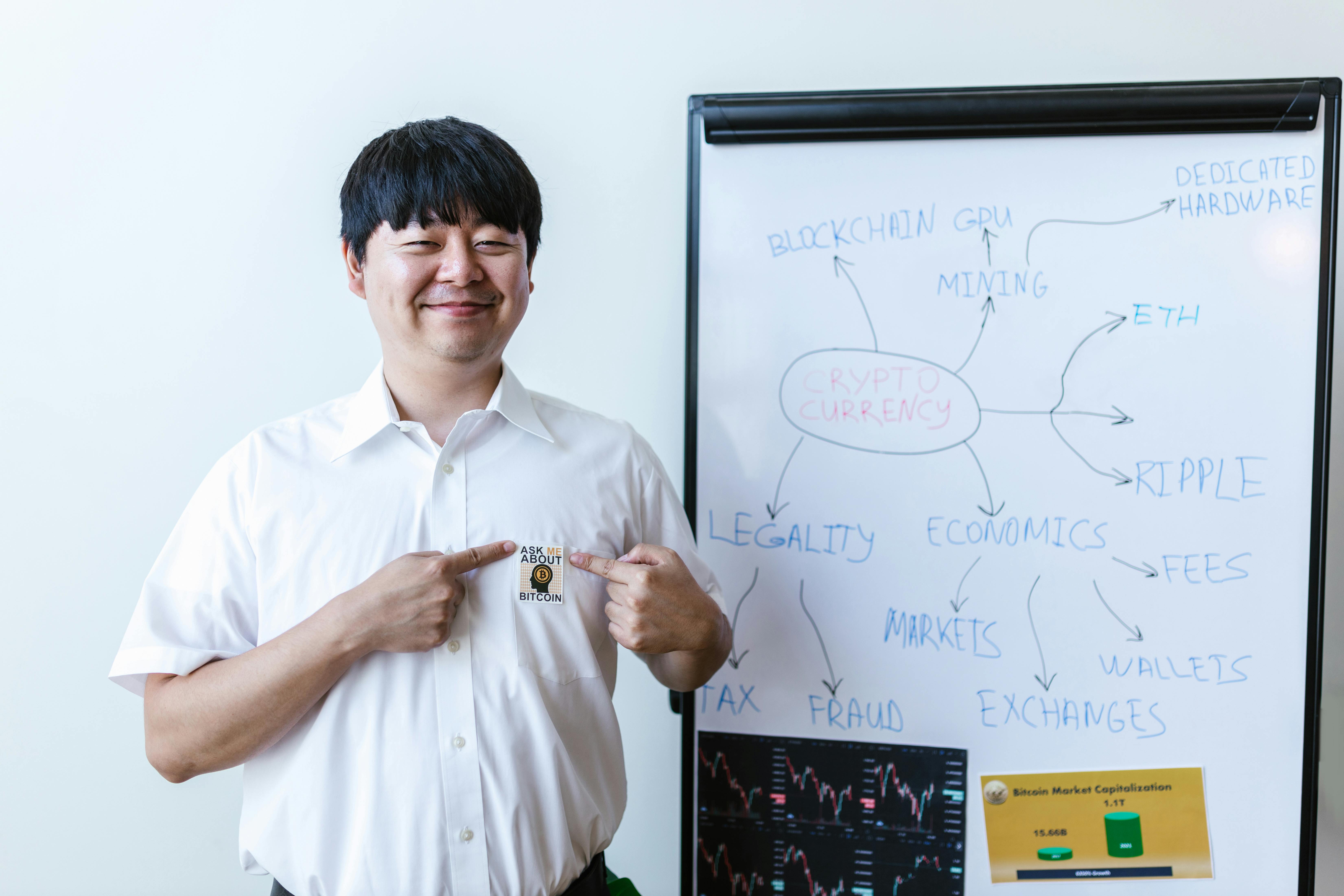
Discover how Real-World Asset (RWA) Tokenization is revolutionizing investment in 2026, offering unprecedented access to lucrative opportunities. Learn to unlock fractional ownership, enhance liquidity, and generate passive income from real estate, commodities, and private equity on the blockchain. This comprehensive guide helps you compare the best platforms and strategies to profit from the next trillion-dollar market.
Introduction to the Topic
The financial landscape of 2026 is undergoing a seismic shift, and at its epicenter lies Real-World Asset (RWA) Tokenization. For years, the promise of blockchain technology has been touted as a disruptor, but often confined to speculative digital tokens. Today, that promise is materializing into tangible, value-backed investment opportunities that are bridging the vast chasm between traditional finance (TradFi) and the decentralized world of Web3. RWA tokenization isn't just a trend; it's the inevitable evolution of how we own, trade, and invest in everything from skyscrapers and fine art to private credit and intellectual property. This trillion-dollar market is opening doors previously accessible only to institutional investors, offering fractional ownership, enhanced liquidity, and unparalleled transparency to a global audience. If you're looking to diversify your portfolio, generate passive income, and tap into the next wave of wealth creation, understanding RWA tokenization is no longer optional – it's imperative.
At digitaldollaradvisor.com, our mission is to guide you through these complex yet profitable frontiers. This article will serve as your essential 2026 blueprint, dissecting what RWA tokenization entails, exploring its immense potential, and, most importantly, identifying the leading platforms and strategies that can help you secure your slice of this revolutionary market. Prepare to unlock a new era of investment where real assets meet digital efficiency, transforming illiquid holdings into dynamic, accessible financial products.
Backgrounds & Facts
Real-World Asset (RWA) Tokenization is the process of creating a digital representation, or "token," of a physical or tangible asset on a blockchain. These tokens are programmable, immutable, and globally transferable, inheriting the core benefits of blockchain technology such as transparency, security, and efficiency. By 2026, the RWA market has matured significantly, moving beyond theoretical discussions to robust, regulated frameworks and operational platforms. The underlying technology typically involves smart contracts that define the ownership, rights, and rules associated with the tokenized asset, linking it legally to its real-world counterpart.
The scope of assets being tokenized is vast and ever-expanding. Initially, real estate was a prime candidate due to its high value and illiquidity. Now, we see thriving markets for tokenized:
- Real Estate: Fractional ownership of commercial properties, residential units, and development projects, making high-value assets accessible to smaller investors.
- Precious Metals & Commodities: Digital representations of gold, silver, oil, or agricultural products, offering easier storage, transfer, and fractional investment than their physical counterparts.
- Private Equity & Debt: Tokenized shares in private companies, venture capital funds, or direct loans, democratizing access to historically exclusive investment classes.
- Fine Art & Collectibles: Fractional ownership of masterpieces, rare wines, or luxury vehicles, allowing multiple investors to collectively own and profit from appreciating assets.
- Intellectual Property & Royalties: Tokenizing future income streams from patents, music rights, or creative works.
The benefits for investors are profound: increased liquidity for traditionally illiquid assets, fractional ownership enabling diversified portfolios with smaller capital, enhanced transparency through immutable blockchain records, reduced transaction costs and intermediaries, and global accessibility, breaking down geographical barriers. Industry reports project the RWA tokenization market to reach multi-trillion-dollar valuations by the end of the decade, making it one of the most compelling investment narratives of our time.
Expert Opinion / Analysis
The rapid ascent of RWA tokenization has captured the attention of leading financial institutions and blockchain pioneers alike. "What we're witnessing in 2026 is the true convergence of traditional finance and blockchain at an institutional scale," states Dr. Anya Sharma, lead blockchain economist at Quantum Capital, a firm heavily invested in digital asset infrastructure. "The initial hype around crypto was largely speculative. RWA tokenization, however, is about bringing tangible, value-backed assets onto a more efficient, transparent, and globally accessible rails. This isn't just about 'crypto' anymore; it's about the future of finance itself."
Dr. Sharma emphasizes that regulatory clarity, which has significantly improved across major jurisdictions by 2026, is a key driver of this adoption. "Regulators are increasingly providing frameworks for digital securities and asset-backed tokens, which instills confidence in institutional players and sophisticated investors," she explains. "This clarity, coupled with technological advancements in scalability and interoperability, has de-risked the space considerably."
Industry analysts point to several critical factors contributing to RWA's mainstream success:
- Institutional On-Ramps: Major banks and financial service providers are now offering dedicated RWA desks and custodial solutions, making it easier for large capital to flow into the ecosystem.
- Enhanced Security & Compliance: Specialized blockchain networks and protocols are being developed with built-in KYC/AML features and enterprise-grade security, meeting the stringent requirements of traditional finance.
- DeFi Integration: Tokenized RWAs are increasingly being used as collateral within decentralized finance (DeFi) protocols, unlocking new liquidity and yield opportunities for investors beyond simple appreciation.
- Economic Efficiency: The ability to automate asset management, reduce settlement times, and eliminate numerous intermediaries translates into significant cost savings and efficiency gains for both issuers and investors.
While challenges remain, particularly around legal enforceability across diverse jurisdictions and the need for robust oracle solutions to connect real-world data with on-chain assets, the consensus among experts is clear: RWA tokenization is not just here to stay, but poised to redefine global investment portfolios. "For digitaldollaradvisor.com readers, this means a unique opportunity to access high-quality assets with unprecedented flexibility and potential for high returns," Dr. Sharma concludes. "The smart money is already moving; now it's your turn."
💰 Best Options in Comparison (VERY IMPORTANT)
Navigating the burgeoning RWA landscape requires understanding the platforms and protocols that are leading the charge. By 2026, several key players have emerged, each offering distinct advantages for different types of investors and asset classes. Here are some of the best options available for investing in tokenized Real-World Assets:
- AssetStream Global: A comprehensive, institution-grade platform offering tokenization and trading of a wide range of assets, from real estate funds to private credit pools. Known for its robust compliance framework and deep liquidity.
- FractionalKeys: Specializing in high-value, illiquid assets like luxury real estate, fine art, and rare collectibles. FractionalKeys makes these assets accessible to retail and accredited investors through fractionalized NFT ownership.
- CreditFlow DAO: A decentralized protocol focused on connecting DeFi liquidity with real-world credit opportunities. It allows investors to provide capital for tokenized private loans to businesses, earning yield from traditional debt markets.
- DigitalGold Vault: The premier platform for tokenized precious metals and commodities. Offers fully backed, audited digital tokens representing physical gold, silver, and other resources, providing a stable asset for diversification.
To help you make an informed decision and optimize your investment strategy, here's a detailed comparison of these leading RWA tokenization platforms:
| Platform/Protocol | Primary Asset Focus | Target Investor | Minimum Investment | Key Features | Blockchain(s) | Pros | Cons |
|---|---|---|---|---|---|---|---|
| AssetStream Global | Real Estate Funds, Private Equity, Institutional Credit | Accredited Investors, Institutions | $10,000 - $100,000+ | Full regulatory compliance, deep liquidity pools, integrated custody, advanced analytics. | Ethereum, Polygon, Avalanche | High security, institutional-grade assets, strong regulatory adherence. | Higher minimums, less retail-friendly UI. |
| FractionalKeys | Luxury Real Estate, Fine Art, Collectibles, IP Rights | Retail Investors, Accredited Investors | $100 - $5,000+ | Fractional NFT ownership, curated asset selection, secondary marketplace, community governance. | Ethereum, Solana | Accessible entry points, diverse unique assets, vibrant community. | Asset valuations can be subjective, limited institutional assets. |
| CreditFlow DAO | Tokenized Private Credit & Debt, Invoice Financing | DeFi Users, Yield Seekers, Accredited Investors | $500 - $10,000+ | Decentralized lending pools, transparent loan terms, yield-bearing tokens, risk assessment tools. | Ethereum, Arbitrum, Optimism | Attractive yields, direct exposure to credit markets, high transparency. | Smart contract risk, borrower default risk, requires DeFi familiarity. |
| DigitalGold Vault | Physical Gold, Silver, Platinum, Industrial Metals | Retail Investors, Institutions, HODLers | $1+ (per gram/unit) | 1:1 physical backing, regular audits, secure vault storage, easy transferability. | Various Layer 1s (e.g., Ethereum, BNB Chain, Stellar) | Stability, inflation hedge, physical asset security, highly liquid. | Limited capital appreciation potential compared to growth assets, storage fees. |
When selecting a platform, consider your investment goals, risk tolerance, and the specific asset classes you wish to gain exposure to. Always perform thorough due diligence on the platform's regulatory compliance, security measures, and the underlying assets' legal structure.
Outlook & Trends
The trajectory of RWA tokenization in 2026 and beyond points towards exponential growth and deeper integration into the global financial system. Several key trends are shaping this future:
- Regulatory Harmonization: As more nations develop clear legal frameworks for digital securities, cross-border RWA transactions will become smoother, attracting even larger institutional flows. Expect international collaborations to establish global standards.
- AI-Driven Asset Management: Artificial intelligence will play a crucial role in RWA valuation, risk assessment, and portfolio optimization. AI algorithms will identify undervalued assets, predict market movements, and automate investment strategies for tokenized portfolios.
- Specialized RWA Layer 2s & 3s: We'll see the emergence of blockchain layers specifically designed for RWA tokenization, offering enhanced privacy, scalability, and compliance features tailored for specific industries like real estate, supply chain finance, or carbon credits.
- Interoperability & Cross-Chain Liquidity: The ability to seamlessly move tokenized assets across different blockchains will become paramount, fostering greater liquidity and enabling complex financial products that leverage assets from various ecosystems.
- New Asset Classes: Beyond traditional assets, expect the tokenization of novel and intangible assets such as carbon credits, environmental offsets, data rights, and even human capital, opening up entirely new investment horizons.
- DeFi 2.0 & RWA Collateral: Tokenized RWAs will become a cornerstone of decentralized finance, providing stable, value-backed collateral for lending, borrowing, and synthetic asset creation, reducing the volatility often associated with purely crypto-native assets.
The future of finance is increasingly digital, and RWA tokenization is the bridge that connects the vast value of the physical world with the efficiency and innovation of blockchain technology. Investors who position themselves strategically now will be at the forefront of this transformative wave, poised to capture significant returns from a market that is just beginning to realize its full potential.
Conclusion
Real-World Asset (RWA) Tokenization is undeniably the most compelling investment frontier of 2026, offering a unique blend of traditional asset stability with blockchain's revolutionary efficiency. It's democratizing access to historically exclusive assets, enhancing liquidity, and creating unprecedented opportunities for wealth generation and passive income. From fractionalized real estate to tokenized private credit and digital commodities, the market is rich with diverse options for every investor profile.
As we've explored, the landscape is maturing rapidly, driven by clearer regulations, institutional adoption, and technological advancements. Platforms like AssetStream Global, FractionalKeys, CreditFlow DAO, and DigitalGold Vault are leading the charge, providing secure and efficient avenues to participate in this revolution. However, as with any investment, thorough due diligence is paramount. Understand the underlying assets, evaluate the platform's security and compliance, and align your choices with your personal financial goals and risk tolerance.
The era of digital assets backed by tangible value is not just coming; it's here. For digitaldollaradvisor.com readers seeking to capitalize on the financial innovations of our time, embracing RWA tokenization is a strategic move that promises to redefine your investment portfolio and unlock a future of unparalleled financial growth. Don't be left behind – explore these opportunities today and position yourself at the forefront of the trillion-dollar RWA revolution.