
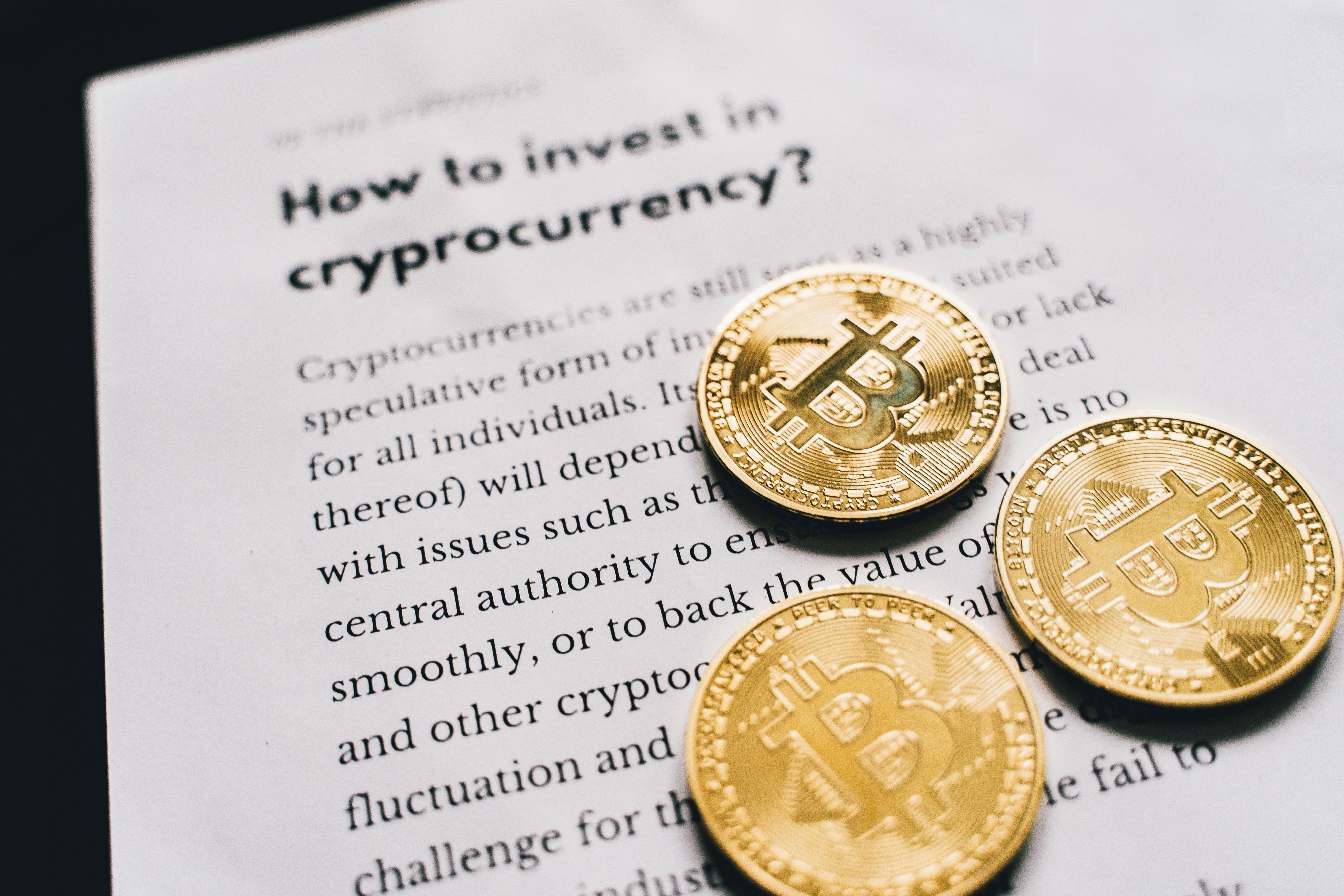
Discover the revolutionary world of Real-World Asset (RWA) tokenization in 2026. Learn how blockchain technology is democratizing access to high-value investments like real estate, private equity, and commodities, offering unprecedented liquidity, fractional ownership, and yield generation. Explore leading platforms and compare the best investment opportunities in this rapidly expanding digital asset landscape.
Introduction to the Topic
Welcome to 2026, where the lines between traditional finance (TradFi) and decentralized finance (DeFi) are not just blurring, but actively merging to create a new paradigm of investment. At the forefront of this revolution is Real-World Asset (RWA) tokenization – the process of representing tangible and intangible assets on a blockchain. No longer confined to the exclusive domain of institutional investors, assets like real estate, fine art, commodities, and even private credit are now accessible to a global audience, fractionalized, and traded with unprecedented efficiency. This isn't just a trend; it's the fundamental restructuring of how we perceive, own, and trade value. For investors seeking diversification, enhanced liquidity, and compelling yield opportunities, understanding RWA tokenization is no longer optional – it's essential.
DigitalDollarAdvisor.com has been tracking this sector's meteoric rise, and by 2026, RWA tokenization has matured into a cornerstone of the digital economy. It promises to unlock trillions of dollars in illiquid assets, transforming them into dynamic, programmable financial instruments. This article will delve into the mechanics, explore the leading platforms, and provide you with a clear roadmap to navigate this exciting investment frontier.
Backgrounds & Facts
The concept of tokenizing real-world assets has been discussed for years, but 2026 marks a significant inflection point where theory has firmly transitioned into practice. RWAs encompass a vast spectrum: from physical assets like commercial properties, precious metals, and rare collectibles, to financial instruments such as bonds, invoices, private equity funds, and even intellectual property rights. The core innovation lies in creating a digital token on a blockchain that represents ownership or a share of these underlying assets. Each token is secured by smart contracts, providing transparency, immutability, and programmability.
By 2026, the RWA tokenization market has surpassed initial conservative estimates, with major financial institutions, sovereign wealth funds, and sophisticated retail investors actively participating. Reports from leading blockchain analytics firms indicate the total value of tokenized assets on-chain has exceeded $500 billion, with projections reaching into the multi-trillion-dollar range by the end of the decade. This growth is fueled by several compelling advantages:
- Fractional Ownership: High-value assets, once out of reach for most, can now be divided into smaller, affordable tokens, democratizing access to exclusive investment opportunities.
- Enhanced Liquidity: Traditional assets are often illiquid. Tokenization allows for near-instantaneous trading on secondary markets, reducing transaction times from weeks or months to minutes.
- Increased Transparency: Blockchain's immutable ledger provides a verifiable record of ownership and transactions, significantly reducing fraud and increasing trust.
- Reduced Costs & Middlemen: Smart contracts automate many processes, cutting down on legal fees, brokerage commissions, and administrative overhead.
- Global Accessibility: Investors worldwide can access opportunities without geographical barriers, fostering a truly globalized investment landscape.
- Programmable Finance: Tokens can be integrated into DeFi protocols, enabling automated lending, borrowing, and yield generation against tokenized assets.
Regulatory frameworks, while still evolving, have shown significant progress in key jurisdictions like Switzerland, Singapore, the UAE, and parts of the EU and the US. These advancements provide much-needed legal clarity and investor protection, paving the way for even broader institutional adoption and mainstream integration.
Expert Opinion / Analysis
The consensus among financial leaders and blockchain pioneers in 2026 is that RWA tokenization represents the inevitable evolution of capital markets. "We're witnessing the Internet moment for finance," states Dr. Anya Sharma, lead analyst at Blockchain Insights Group. "Just as the internet democratized information, RWA tokenization is democratizing access to wealth-generating assets. The early hurdles of legal enforceability and technical integration have largely been overcome through sophisticated hybrid models that blend traditional legal agreements with on-chain smart contracts. This 'phygital' approach ensures both regulatory compliance and blockchain's inherent benefits."
Michael Chen, CEO of institutional digital asset firm Nexus Capital, emphasizes the institutional imperative: "Our clients, from pension funds to family offices, are no longer asking 'if' they should engage with tokenized assets, but 'how' and 'which platforms' offer the best security and yield. The ability to gain exposure to private credit or real estate development projects with lower minimums and greater liquidity is a game-changer for portfolio diversification. The focus now is on robust custody solutions, reliable oracle networks for asset valuation, and seamless integration with existing financial infrastructure."
The innovation isn't just in making traditional assets digital; it's in creating entirely new asset classes. Consider tokenized carbon credits, fractionalized intellectual property, or even future revenue streams from AI-driven ventures. These novel assets, underpinned by blockchain, offer unique risk-reward profiles and contribute to a more dynamic, efficient, and inclusive global economy. While challenges remain, particularly in achieving complete global regulatory harmony and scaling infrastructure, the trajectory is clear: RWA tokenization is not merely a niche application of blockchain, but a foundational layer for the future of finance.
💰 Best Options in Comparison (VERY IMPORTANT)
With the RWA market flourishing, numerous platforms have emerged, each specializing in different asset classes or catering to specific investor profiles. Choosing the right platform is crucial for maximizing returns and ensuring compliance. Here are three leading platforms that have distinguished themselves by 2026, offering diverse opportunities for investors looking to capitalize on tokenized real-world assets:
-
RealEstateXchange (REX)
REX has solidified its position as the premier platform for tokenized real estate. Specializing in high-value commercial and residential properties across global metropolitan hubs, REX offers fractional ownership starting from as little as $100. Their robust legal framework ensures full property rights are digitally represented and legally enforceable. REX focuses on high-yield rental properties and development projects, providing quarterly dividend distributions and capital appreciation potential. They boast a highly liquid secondary market, allowing investors to enter and exit positions with ease.
-
AssetStream Global (ASG)
AssetStream Global caters to a broader spectrum of institutional-grade assets, including private equity funds, infrastructure projects, and tokenized commodities (e.g., gold, rare earth minerals). ASG prides itself on its stringent due diligence process and its network of established asset managers. While minimum investments are higher, typically starting at $1,000, ASG offers access to historically exclusive asset classes with significant growth potential and often uncorrelated returns. Their platform emphasizes robust regulatory compliance, utilizing licensed custodians and adhering to global securities laws, making it a preferred choice for accredited investors and financial institutions.
-
DeFiDebtLink (DDL)
DeFiDebtLink is at the forefront of tokenizing debt and credit markets, bringing stable yields and predictable returns to the DeFi ecosystem. DDL tokenizes a range of debt instruments, including corporate bonds, structured credit, and even securitized invoices, sourced from established financial institutions. Investors can provide liquidity to these tokenized debt pools and earn attractive, stable yields, often outperforming traditional savings accounts. DDL's strength lies in its seamless integration with popular DeFi protocols, allowing users to leverage their tokenized debt positions for further yield generation or collateralized borrowing. Minimum investments are highly accessible, often starting at $50.
To help you compare these leading options and make an informed decision, here's a detailed breakdown:
| Platform | Asset Focus | Target Investor | Min. Investment | Avg. Yield Potential (2026 Est.) | Key Differentiator |
|---|---|---|---|---|---|
| RealEstateXchange (REX) | Commercial & Residential Real Estate | Retail & Institutional | $100 | 5-12% APR (Dividends + Appreciation) | Deep liquidity in real estate, global access, user-friendly interface. |
| AssetStream Global (ASG) | Private Equity, Commodities, Infrastructure | Accredited & Institutional | $1,000 | 8-18% APR (Capital Growth) | Diversified high-value assets, institutional-grade compliance & due diligence. |
| DeFiDebtLink (DDL) | Tokenized Corporate & Government Debt, Invoices | DeFi & Institutional | $50 | 4-10% APR (Stable Yields) | Seamless integration with DeFi protocols, stable & predictable returns. |
Outlook & Trends
Looking ahead from 2026, the RWA tokenization space is poised for exponential growth and further innovation. Several key trends are expected to define its evolution:
- Regulatory Convergence: We anticipate further harmonization of global regulatory frameworks, leading to clearer guidelines and increased cross-border investment flows. Major economies will likely establish dedicated 'Digital Asset Securities Acts' to govern this sector.
- Institutional Influx: Traditional banks and asset managers will continue to build out dedicated RWA desks and white-label tokenization services, bringing immense capital and expertise to the market. BlackRock and Fidelity's successful forays into tokenized funds are just the beginning.
- New Asset Classes: Beyond traditional assets, expect the tokenization of novel and esoteric assets, including intellectual property rights, carbon credits, sports team ownership, and even future revenue streams from AI-driven projects.
- Interoperability & Layer-2 Solutions: Enhanced interoperability between different blockchain networks and the maturation of Layer-2 scaling solutions will make RWA transactions faster, cheaper, and more seamless, improving the user experience and market efficiency.
- AI Integration: Artificial intelligence will play an increasing role in RWA tokenization, from automated asset valuation and risk assessment to optimizing liquidity provision and personalizing investment recommendations.
- Central Bank Digital Currencies (CBDCs): The rollout of wholesale CBDCs will provide a robust, programmable settlement layer for institutional RWA transactions, further streamlining processes and reducing counterparty risk.
The future points towards a highly interconnected financial ecosystem where digital assets and tokenized RWAs are the standard, offering unparalleled efficiency, transparency, and accessibility.
Conclusion
Real-World Asset tokenization is not just a passing crypto fad; it is a fundamental shift in how value is created, managed, and exchanged. By 2026, it has already proven its ability to democratize investment, unlock liquidity from previously inaccessible assets, and generate compelling yields for savvy investors. As the market matures and regulatory clarity increases, the opportunities within this sector will only continue to expand. Whether you're a seasoned institutional investor or a retail participant looking to diversify your portfolio with high-quality digital assets, exploring the leading RWA tokenization platforms is a strategic move for the current and future financial landscape. Don't miss out on the chance to participate in one of the most transformative financial innovations of our time. Begin your journey into tokenized real-world assets today and reshape your investment future!